Get Septic Installation in Denver, CO
Septic installation services help Denver property owners solve waste management issues by installing, repairing, or replacing septic systems for homes and businesses.
If property owners in Denver, CO are considering installing a septic system, they are in the right place to explore their options. Septic installation is a practical solution for homes and properties that are not connected to municipal sewer systems, offering independence and long-term functionality. Planning such a project involves understanding local regulations, site conditions, and system types, making it important to compare experienced contractors who can provide tailored guidance for your specific property.
By continuing to explore this service, property owners can discover local contractors equipped to handle septic installation projects efficiently and reliably. Comparing different service providers in the Denver area can help ensure the selected team has the expertise needed to meet your property's unique requirements. Keep reading to find out how to connect with qualified professionals who can assist with planning and executing your septic system installation.
- Septic System Installation - needed when constructing a new home or property in areas without access to municipal sewer lines.
- Septic Tank Replacement - required when existing septic systems are outdated, failing, or no longer meet household needs.
- Septic System Upgrades - necessary to improve system capacity or comply with updated local regulations in neighborhoods around Denver, CO.
- Septic System Repair - needed when experiencing issues such as backups, odors, or leaks in residential or commercial properties.
- Septic System Inspection - recommended before purchasing a property or after noticing signs of system malfunction in local communities.
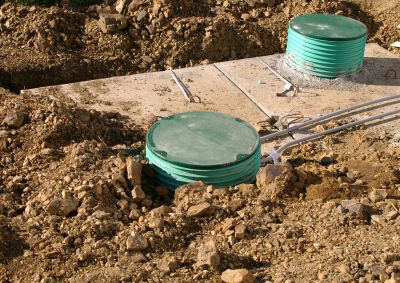
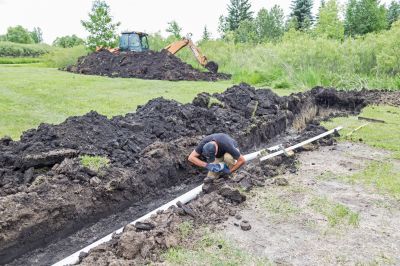
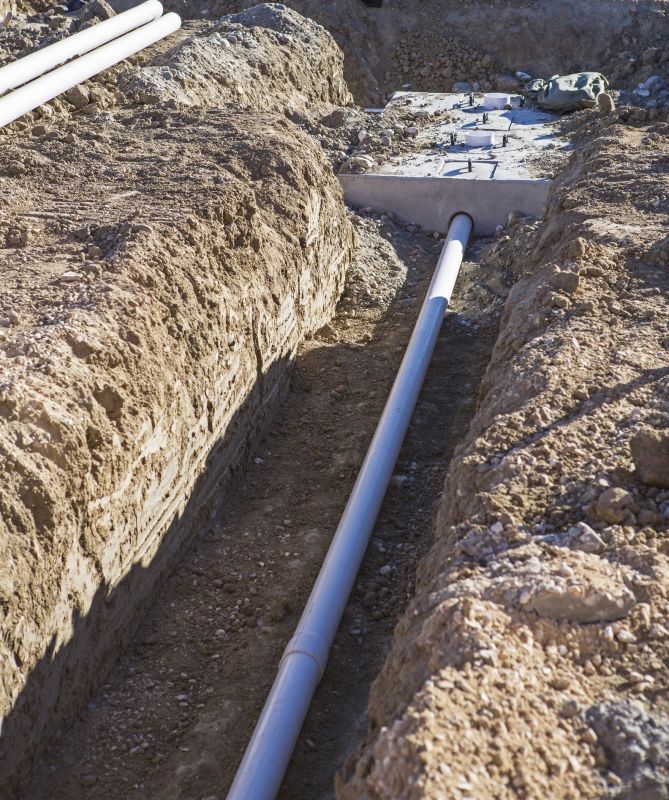
Septic installation services involve setting up a complete wastewater management system for properties that are not connected to municipal sewer lines. This process typically includes assessing the property’s site conditions, designing an appropriate system, and installing components such as the septic tank and drain field. Proper installation ensures that household waste is safely treated and disposed of underground, helping to maintain hygiene and prevent contamination. Experienced service providers can handle the entire process, from initial planning to final setup, ensuring the system functions effectively for years to come.
Septic systems are essential for properties that rely on on-site waste treatment, especially in rural or semi-rural areas. They help solve common problems like sewage backups, foul odors, and groundwater contamination caused by poorly managed waste disposal. When a property’s existing system fails or is outdated, installing a new septic system can prevent costly repairs and health hazards. Local contractors can evaluate the specific needs of a property and recommend the right type of system, whether it’s a traditional tank and drain field or a more advanced design suited for unique conditions.
Many types of properties utilize septic installation services, including single-family homes, small farms, and rural businesses. These properties often lack access to municipal sewer lines, making a reliable septic system a vital part of daily living. Additionally, new construction projects in areas without sewer infrastructure require septic systems to be installed as part of the building process. Local service providers are experienced in working with different property types and can help ensure that the septic system is properly designed and installed to meet the property’s specific needs.
Homeowners should consider septic installation services when experiencing issues with existing systems or planning to build in areas without sewer access. Signs that a new septic system may be needed include frequent backups, slow drains, or unexplained odors around the property. Proper installation by qualified local contractors can provide peace of mind, knowing that the waste management system is set up correctly and compliant with local regulations. Connecting with trusted service providers can help property owners find the right solution for their wastewater needs, ensuring a safe and functional system for years to come.
The overview below groups typical Septic Installation projects into broad ranges so you can see how smaller, mid-sized, and larger jobs often compare in Denver, CO.
In many markets, a large share of routine jobs stays in the lower and middle ranges, while only a smaller percentage of projects moves into the highest bands when the work is more complex or site conditions are harder than average.
Smaller Repairs - Typical costs for minor septic repairs or maintenance in Denver often range from $250-$600. Many routine jobs fall within this middle band, with fewer projects requiring extensive work that pushes costs higher.
Septic System Installation - Installing a new septic system generally costs between $3,000 and $7,000, depending on soil conditions and system size. Larger or more complex installations can reach $10,000 or more, though most projects stay within the mid-range.
Full System Replacement - Replacing an entire septic system can typically cost $6,000-$15,000, with the higher end reserved for larger, more complex setups. Many homeowners see costs in the middle of this range for standard replacements.
Additional Costs - Extra expenses such as site prep, permits, or advanced system features can add $1,000-$5,000+ to the total. These costs vary based on project specifics and local requirements, but most projects fall within typical ranges.
Actual totals will depend on details like access to the work area, the scope of the project, and the materials selected, so use these as general starting points rather than exact figures.
Drain Field Installation - this project involves designing and installing underground drain fields, requiring similar soil assessment and excavation skills as septic system setups.
Septic Tank Replacement - replacing or upgrading septic tanks involves similar planning, excavation, and connection work as initial septic installation services.
Soil Testing and Site Evaluation - assessing soil conditions for septic systems shares techniques in site analysis and planning with other underground utility projects.
Leach Field Repair - repairing or maintaining leach fields requires knowledge of underground piping and soil absorption, akin to septic system installation skills.
Stormwater Drainage System Installation - installing systems to manage surface water involves excavation, planning, and underground piping similar to septic system projects.
Underground Utility Line Installation - laying pipes for utilities shares the planning, trenching, and excavation skills used in septic system installation services.
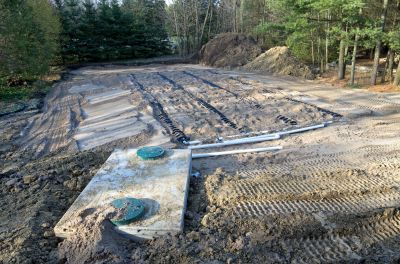
When comparing septic installation service providers in Denver and nearby areas, it’s important to consider their experience with projects similar to yours. Homeowners should look for local contractors who have a proven track record of successfully completing septic systems comparable in size and complexity. Asking about past projects can provide insight into their familiarity with local soil conditions, regulations, and site challenges, helping to ensure the chosen provider has the relevant expertise to handle your specific needs.
Clear, written expectations are essential when selecting a septic installation professional. Homeowners should seek detailed proposals that outline the scope of work, materials, and responsibilities, which helps prevent misunderstandings later on. Good communication is also key; service providers who are transparent and responsive can make the process smoother and more predictable. Establishing open lines of communication early on can help address questions or concerns promptly, contributing to a more positive overall experience.
Reputable references and a history of reliable service are valuable indicators of a contractor’s trustworthiness and quality of work. Homeowners are encouraged to ask for references from recent clients to gain insights into the contractor’s professionalism, punctuality, and workmanship. While the site connects individuals with local contractors, it’s important to remember that the platform itself does not perform the work. Instead, it serves as a resource to help find experienced, communicative, and reputable service providers who are well-equipped to handle septic installation projects in the area.
Property owners in Denver, CO use Septic Installation services for practical projects around their homes and businesses. This guide focuses on everyday jobs and straightforward project options.
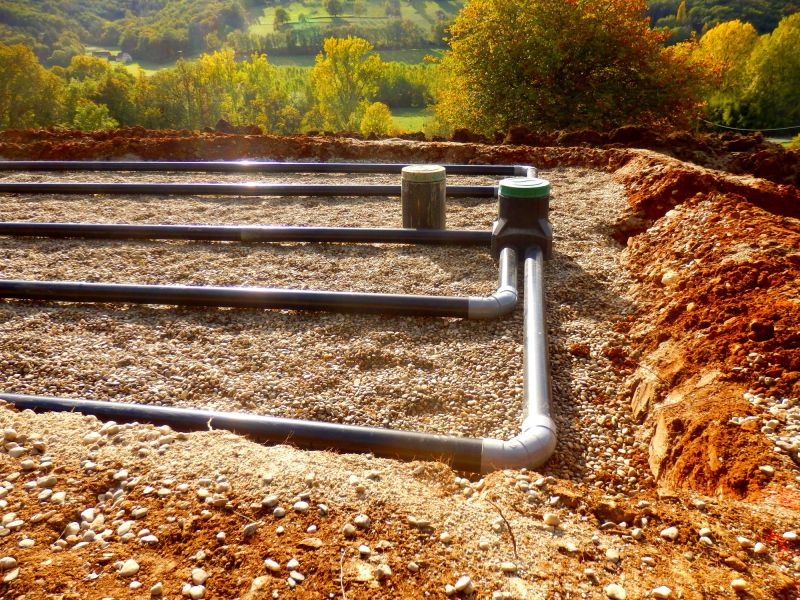
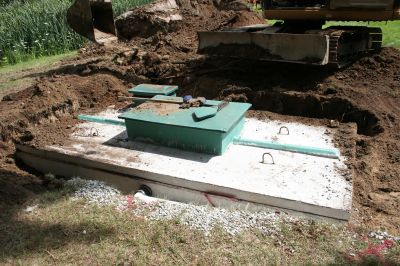
Septic installation services are often needed when property owners in Denver, CO are building a new home or planning significant renovations that require a reliable wastewater management system. Additionally, those experiencing issues with an existing septic system, such as frequent backups or foul odors, may seek out local contractors to assess, repair, or replace their setup. Many property owners look for experienced service providers to ensure their systems are properly installed and functioning efficiently, especially given Denver's unique soil conditions and local regulations.
In some cases, property owners may be installing septic systems on land that isn’t connected to a municipal sewer line, such as rural properties or land parcels undergoing development. Others might need a new system to meet updated code requirements or to accommodate increased property use. Local contractors can help navigate these projects, providing the necessary expertise to handle complex site conditions and ensure the septic system is installed correctly for long-term performance.
What is involved in septic system installation? Septic installation typically includes site assessment, designing a suitable system, excavation, and installing the septic tank and drain field with the help of local contractors experienced in the process.
How do I know if my property needs a new septic system? Signs such as frequent backups, slow drains, or pooling water near the drain field can indicate the need for a new septic system, and local service providers can evaluate your property’s specific requirements.
What types of septic systems are available for installation? There are various options including conventional gravity systems, pressure distribution systems, and alternative systems, with local contractors able to recommend the best choice based on site conditions.
What should I consider before installing a septic system? Factors like soil type, property size, and local regulations are important considerations that experienced contractors can help evaluate to ensure proper system design and placement.
How do local service providers handle septic installation projects? They typically perform site evaluations, design custom systems, and handle all aspects of installation to ensure the septic system functions effectively for your property’s needs.
Septic System Installation - Property owners planning to build a new home or expand their property can explore septic installation services to ensure proper waste management from the start.
Septic System Replacement - Homeowners with outdated or malfunctioning systems may consider replacement options to improve sanitation and prevent plumbing issues.
Septic System Maintenance - Regular maintenance services can help property owners keep their septic systems functioning efficiently and avoid costly repairs.
Septic System Repairs - Local contractors can assist with diagnosing and fixing issues like leaks or clogs to maintain the integrity of the septic system.
If you are thinking about Septic Installation for a property in Denver, CO, this guide is meant to help you understand the work, the typical project types, and how different options might fit your plans.
When you are ready, you can use the quote form on this page to share a few details about your project. From there, local pros can review the basics and respond with options that match what you have in mind.