Optimal Seasons for Septic Installation
Septic installations are most effectively performed during specific times of the year to ensure optimal soil conditions and system longevity. Proper timing can reduce installation complications and improve system performance.
Spring and early fall are ideal due to moderate soil moisture and temperature, facilitating proper system settling and reducing risks of frost or drought conditions.
Soil moisture levels, ground temperature, and weather patterns influence installation timing. Avoid periods of heavy rainfall or frozen ground for best results.
Installing during suitable seasons minimizes risks of system failure, ensures proper soil absorption, and extends the lifespan of the septic system.
Pre-installation site assessments and soil testing are recommended to determine the best timing and conditions for installation.
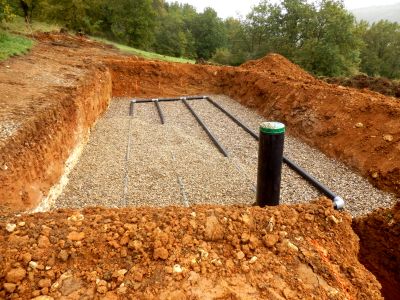
Excavation is often scheduled during dry, moderate weather to allow proper digging and soil stability.
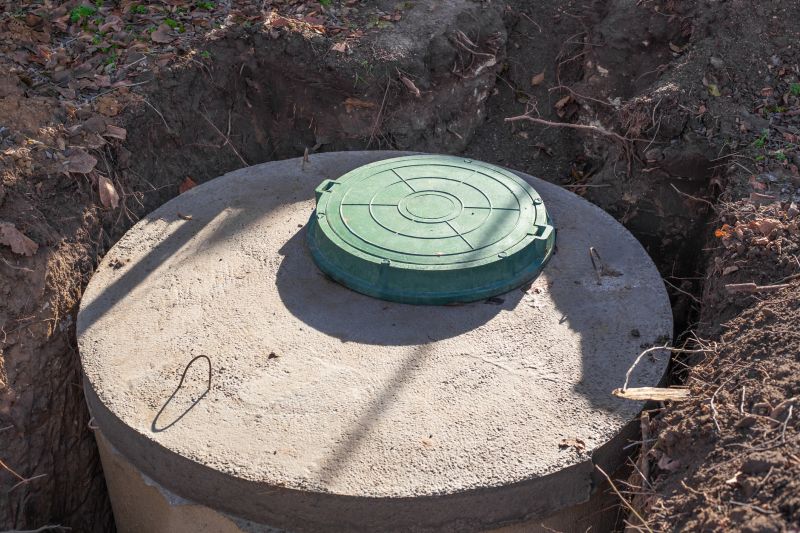
Soil testing helps determine the best season for installation based on moisture and compaction levels.
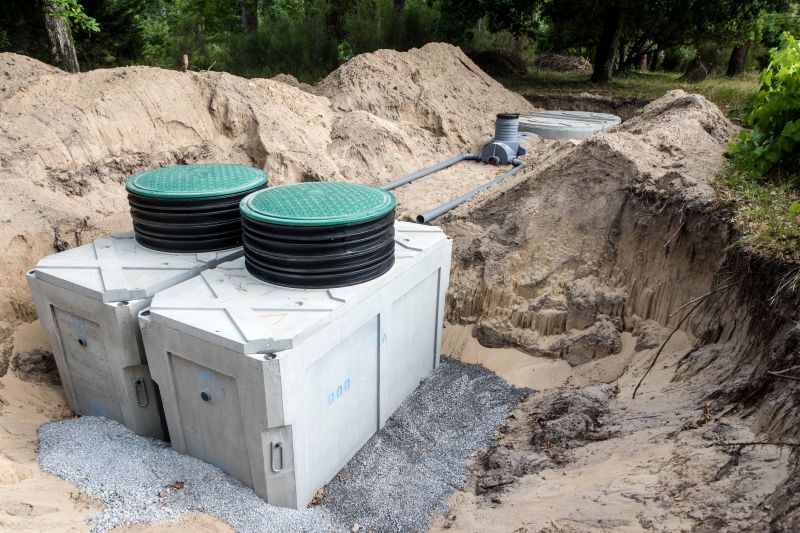
Septic system components being installed during favorable weather conditions ensure proper setup and functioning.
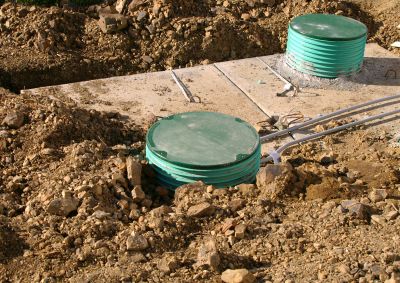
Ways to make Septic Installations work in tight or awkward layouts.
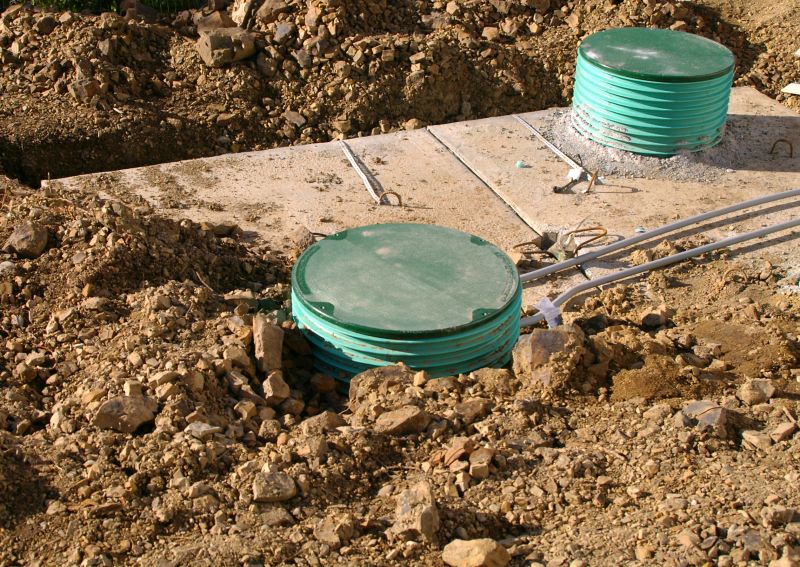
Popular materials for Septic Installations and why they hold up over time.
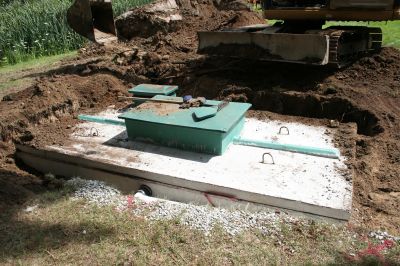
Simple add-ons that improve Septic Installations without blowing the budget.
| Season | Advantages |
|---|---|
| Spring | Moderate soil moisture, longer daylight hours, ideal for installation. |
| Early Fall | Cooler temperatures, soil still workable, less risk of frost. |
| Late Fall | Approaching winter, installation risk increases due to soil freezing. |
| Summer | Potentially hot and dry, may cause soil to crack, less ideal. |
| Winter | Frozen ground complicates excavation and installation. |
Septic installations require careful planning around seasonal conditions to ensure proper system function and longevity. Soil and weather conditions significantly influence the success of the installation process. Proper timing minimizes risks and enhances system performance, reducing the need for future repairs or adjustments.
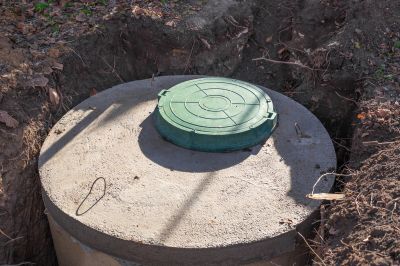
Installation during suitable seasons ensures soil stability and system durability.
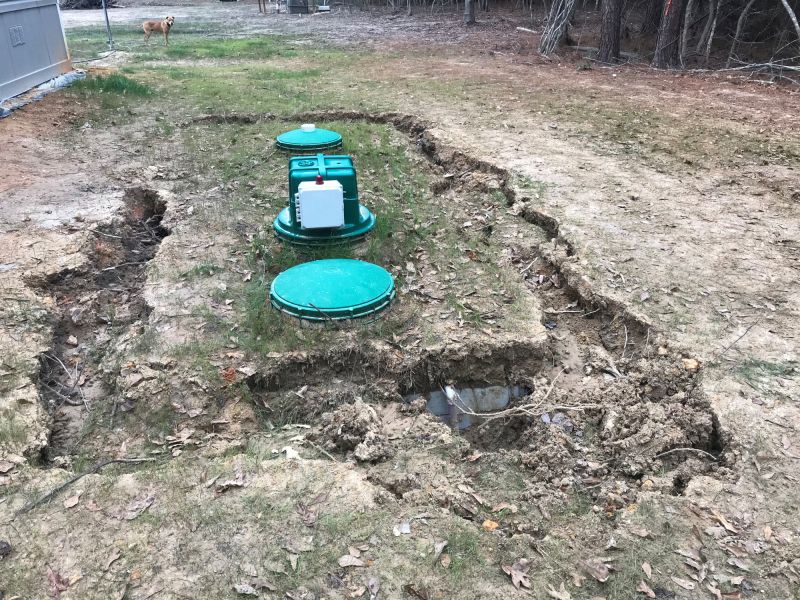
Proper site prep during optimal weather conditions facilitates smooth installation.
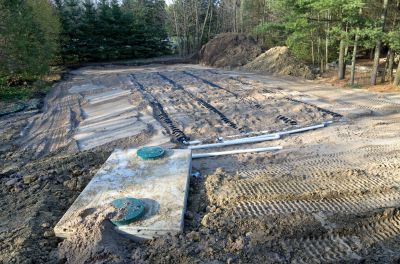
Site assessments and soil testing are best performed in favorable weather to plan timing.
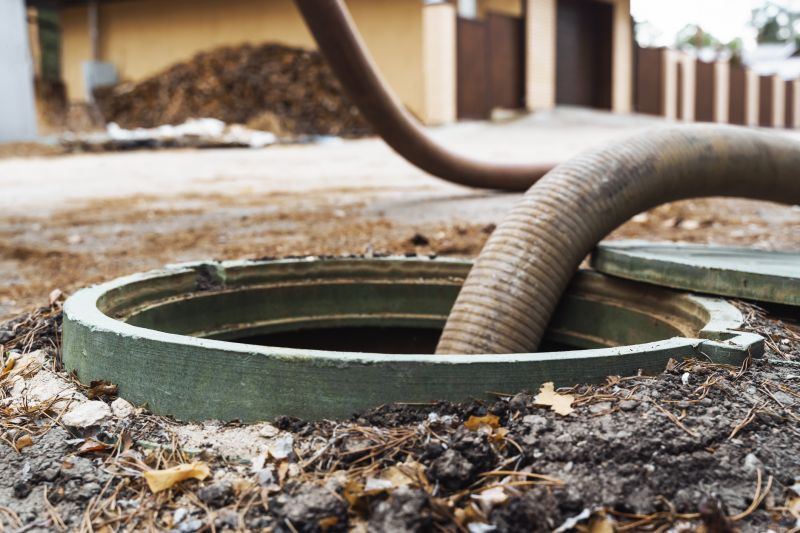
Completing installation during ideal conditions promotes system efficiency and lifespan.
For those considering septic system installation, understanding seasonal impacts can lead to better planning and outcomes. Scheduling during the right time of year ensures the system operates effectively and reduces the likelihood of complications related to soil or weather conditions.
Interested parties are encouraged to contact for more information or to schedule an installation. Proper timing and planning are essential for ensuring the longevity and performance of a septic system.